
Technical Guide
Updated:
Prime Coat vs Tack Coat: Purpose, Surface and Quantity
Prime coat prepares a specified granular surface for subsequent bituminous work; tack coat promotes bonding between specified pavement surfaces. Follow the project specification for material and application.
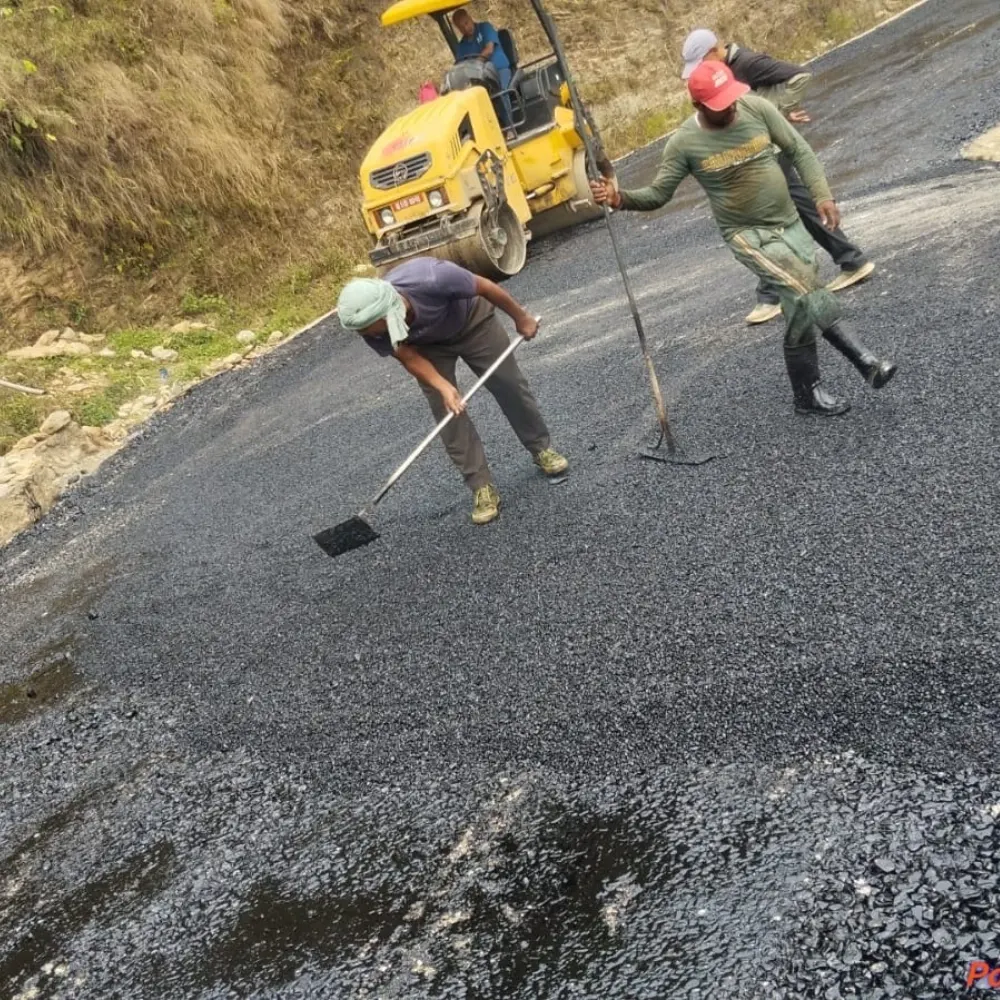
Prime coat prepares a specified granular surface for subsequent bituminous work; tack coat promotes bonding between specified pavement surfaces. Follow the project specification for material and application.
Published by: Jwala Nirman Sewa
Practical context: construction execution, measurement, BOQ and infrastructure-work experience in Nepal.
Editorial review:
Identify the receiving surface
Confirm the layer, surface condition and specified binder before ordering. Cleaning, moisture condition, weather and traffic control matter to execution. Prime and tack are not interchangeable names for any sprayed binder; an incorrect surface assumption can lead to the wrong work item.
Calculate from the specified rate
Measure the actual application area and apply the approved application rate using consistent units. The Department of Roads specification is a reference basis, but the edition and amendments incorporated in the contract govern. This guide intentionally gives no universal spray rate or waiting time.
Worked planning example
Before requesting a quotation
Practical checklist
- Confirm surface and specification item.
- Record area, rate, units and application observations.
- Coordinate inspection before the next layer.
Note: Actual work should follow the signed contract, approved drawings, BOQ, specifications, authorized engineer’s instructions, and applicable public-procurement and safety requirements.
Reference basis
Confirm the edition, current notices and signed documents that apply to your project.
Frequently Asked Questions
Can tack coat replace prime coat?
Do not substitute by name alone. The specified substrate, purpose and approved material determine the required treatment.
Related Resources
Related Resources
Road Construction in Pokhara and Gandaki Province
Practical guidance on road construction in Pokhara and Gandaki: survey, excavation, drainage, sub-base, bitumen, QA/QC, and hill-terrain planning.
Read guideGabion Wall and Stone Masonry Works in Nepal
How gabion and stone masonry works are planned, constructed, measured, and quality-checked for roads, slopes, drains, and river protection in Nepal.
Read guideIrrigation Canal Upgradation Works in Nepal
Planning and execution of canal upgradation in Nepal, including flow diversion, excavation, lining, structural repair, outlets, measurement, and QA/QC.
Read guideRoad Upgrading Process: Excavation, Sub-base, Drainage and Bitumen Works
A stage-by-stage road upgrading guide covering excavation, formation, drainage, sub-grade, sub-base, compaction, bitumen works, measurement, and quality control.
Read guideLandslide Clearance and Hill Road Protection Works in Nepal
Safe planning for landslide clearance, roadway excavation, spoil management, drainage, gabion, masonry, and slope protection on Nepal hill roads.
Read guideHow Contractors Manage Price Rise in Bitumen, Fuel and Construction Materials
How contractors plan procurement, records, cash flow, rate exposure, and contract compliance when bitumen, fuel, cement, steel, and aggregates rise in price.
Read guide