
Technical Guide
Updated:
Gabion vs RCC vs Stone Masonry: Retaining-System Comparison
Compare retaining systems against the site and design requirements, not only material price. Drainage, foundations, space and construction access can change the preferred option.
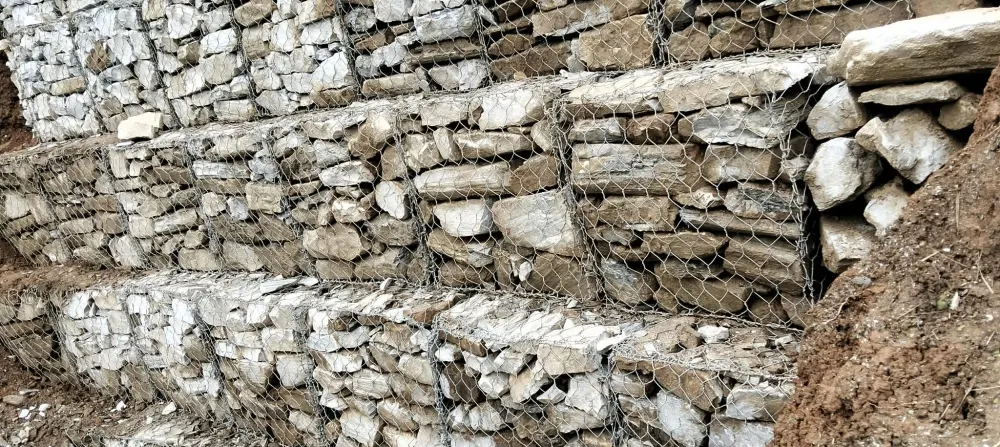
Compare retaining systems against the site and design requirements, not only material price. Drainage, foundations, space and construction access can change the preferred option.
Published by: Jwala Nirman Sewa
Practical context: construction execution, measurement, BOQ and infrastructure-work experience in Nepal.
Editorial review:
Understand what each system requires
Gabions use baskets and stone fill; RCC uses reinforced concrete with designed reinforcement and formwork; stone masonry uses a specified stone-and-mortar arrangement. Material availability is only one consideration. Wall geometry, founding conditions, water and imposed loads must be assessed by the responsible designer.
Compare complete installed work
Include excavation, foundation treatment, drainage/filter materials, backfill, labour and access for each option. Gabion basket specification and stone suitability matter; RCC quantities need reinforcement and formwork; masonry requires controlled joints and workmanship. None is universally cheapest or suitable for every slope.
Worked planning example
Before requesting a quotation
Practical checklist
- Ask for technically suitable alternatives first.
- Compare equivalent design requirements.
- Include drainage maintenance access.
Note: Actual work should follow the signed contract, approved drawings, BOQ, specifications, authorized engineer’s instructions, and applicable public-procurement and safety requirements.
Frequently Asked Questions
Do gabions remove the need for drainage design?
No. Groundwater, filters, backfill and discharge still need assessment for the actual retaining system.
Related Resources
Related Resources
Road Construction in Pokhara and Gandaki Province
Practical guidance on road construction in Pokhara and Gandaki: survey, excavation, drainage, sub-base, bitumen, QA/QC, and hill-terrain planning.
Read guideGabion Wall and Stone Masonry Works in Nepal
How gabion and stone masonry works are planned, constructed, measured, and quality-checked for roads, slopes, drains, and river protection in Nepal.
Read guideIrrigation Canal Upgradation Works in Nepal
Planning and execution of canal upgradation in Nepal, including flow diversion, excavation, lining, structural repair, outlets, measurement, and QA/QC.
Read guideRoad Upgrading Process: Excavation, Sub-base, Drainage and Bitumen Works
A stage-by-stage road upgrading guide covering excavation, formation, drainage, sub-grade, sub-base, compaction, bitumen works, measurement, and quality control.
Read guideLandslide Clearance and Hill Road Protection Works in Nepal
Safe planning for landslide clearance, roadway excavation, spoil management, drainage, gabion, masonry, and slope protection on Nepal hill roads.
Read guideHow Contractors Manage Price Rise in Bitumen, Fuel and Construction Materials
How contractors plan procurement, records, cash flow, rate exposure, and contract compliance when bitumen, fuel, cement, steel, and aggregates rise in price.
Read guide